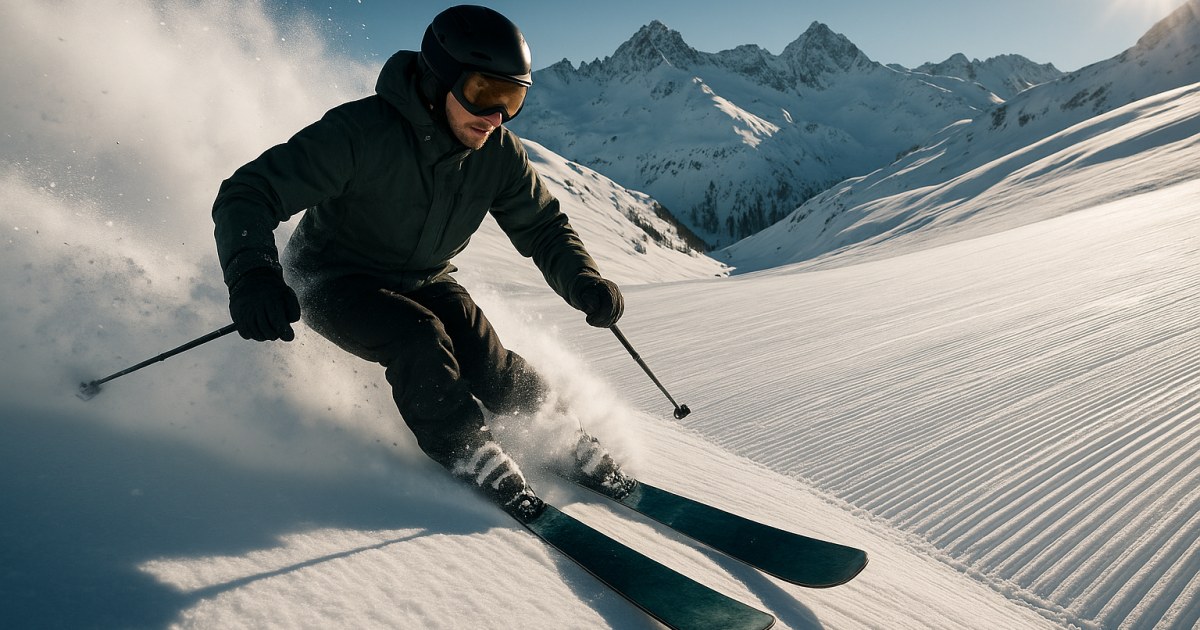
If you love powder days but still want to enjoy groomers without feeling like you're riding a barge, you're not alone. Plenty of skiers chase soft snow, but few want a ski that's only useful when the resort is buried. The trick is choosing powder skis that float confidently in deep conditions yet won't leave you struggling to control your edges as soon as you hit firmer trails.
Powder ski sizing is a hot topic, especially as ski designs keep evolving. Factors like ski width, length, rocker, and sidecut all play together differently in powder versus on groomed terrain. The good news? With the right advice, you can dial in a ski size and shape that keeps both powder turns and groomed laps fun, stable, and safe.
This guide walks you through smart powder ski sizing strategies that maximize both float and on-piste control. Whether you’re looking to add a powder ski to your quiver or searching for a versatile ride that can handle off-piste and groomers alike, you’ll come away knowing exactly what to look for-and what to avoid.
Understanding Powder Ski Design Basics
Before diving into sizes, it's crucial to understand what makes a ski perform in soft snow versus packed trails. Powder skis stand apart primarily due to three features: width, rocker profile, and overall length. Each affects maneuverability and stability-in both powder and on groomers-in distinctive ways. Other subtle aspects, like flex patterns, mounting points, and even ski construction, also make a difference, which advanced skiers may want to factor in.
Waist Width and Float
Powder skis usually have a waist width (the narrowest point underfoot) between 105 mm and 125 mm. Width increases surface area, letting you 'float' on top of deep snow rather than sinking in. For example, a 120 mm ski can keep a heavier skier effortlessly on top of even Champagne powder, while a 105 mm option is often ideal for lighter skiers or for those who want to split days between powder and firmer snow. Too wide on groomed runs, however, and skis can feel sluggish from edge to edge. In fact, overly wide skis may compromise precision and create foot, knee, or hip fatigue over a long day on packed runs.
Rocker Profiles and Control
Most powder skis feature substantial tip-and sometimes tail-rocker (an upturned shape). This makes turn initiation easier and enhances float in powder. But too much rocker and not enough camber can reduce edge grip on hardpack. The profile of the ski often plays as big a role as width: a rockered tip helps you ride up out of the snow, while traditional camber underfoot keeps things precise and lively when the soft snow is tracked out or you seek a carve on a blue run.
Ski Length and Stability
Longer skis provide more stability and float in powder by spreading your weight over a larger area. However, longer skis also become tougher to control on groomers-especially if you're not sizing them appropriately for your height, weight, and skill level. In real terms, a tall advanced skier might handle a 190 cm powder board with aplomb, but the same ski could feel like a freight train to a smaller intermediate on a busy groomer.
Pro tip: "Don’t get hung up on the widest, longest powder skis just because they look cool. The extra float comes at a cost-wide, long skis can feel like a lot to handle on firmer terrain, especially for lighter or less experienced skiers."
Choosing the Ideal Powder Ski Length
The right length for powder skiing balances off-piste needs with how you ski on groomers. Classic ski sizing charts often recommend powder skis 5–10 cm longer than your general all-mountain ski. But there's more to consider:
- Height & Weight: Heavier and/or taller skiers need longer skis for adequate float.
- Skill Level: Advanced skiers can handle and benefit from slightly longer skis, but intermediates usually find shorter lengths easier on firm snow.
- Preferred Terrain: If you mostly ski trees or tighter terrain, err shorter. For open bowls, longer skis make sense.
- Body Composition and Strength: Stronger, more powerful skiers often find they can "drive" a longer ski, benefiting from the extra surface area and stability in powder, but lighter or less aggressive skiers should avoid this temptation.
- Style Preferences: Playful skiers who like smeary, slashy turns or who spend time in the air may also go shorter, while straight-liners or those who love speed may favor the upper end of the range.
Check the practical sizing guide below for quick reference.
| Skier Height (cm) | Weight (kg) | Recommended Powder Ski Length (cm) |
|---|---|---|
| 155–165 | 45–60 | 155–165 |
| 165–175 | 60–75 | 165–178 |
| 175–185 | 75–90 | 175–188 |
| 185–195 | 90–105 | 185–195 |
Where should you land in the range? Your comfort level and local terrain hold the key: stick to the lower end if you want playful turns and easier handling on groomed runs; go longer if you prioritize speed, float, and stability in deep snow. Geographic factors matter too-a 178 cm powder ski is ideal for Colorado trees, but a 190 cm option shines in the open powder fields of Utah or British Columbia.
Advanced Considerations
- Rockered Tips or Tails: A ski with lots of rocker in the tip can be sized a touch longer because the effective edge is shorter, making the ski feel more nimble than the tape measure suggests.
- Personal Confidence: If the idea of a longer ski makes you hesitate, trust your instincts and go shorter. You can always size up next time.
Real-World Example
Consider Patrice, 172 cm and 72 kg, who skis moderate powder and likes cruising with friends. He tried a 185 cm, 116 mm ski but felt sluggish on the groomers, so he returned to a 175 cm, 112 mm model-finding it lively in powder and much less tiring on the way back to the lift.
Balancing Waist Width for Powder and Groomers
The width of your powder ski is a big deal-not just for powder performance but for how manageable the ski feels on firm or variable snow. Most powder skis are 105–120 mm underfoot; here's how to pick your sweet spot:
- 105–110 mm: Excellent balance for skiers who want serious powder performance but plan to spend a decent amount of time on groomers or firmer snow. Edge-to-edge transitions are still manageable and provide more confidence if you catch an icy patch.
- 111–118 mm: Optimal for frequent powder skiing or soft, off-piste terrain. Groomer control starts to drop off as width increases, though aggressive or heavier skiers may still enjoy a wider platform.
- 120 mm +: True powder-day specialists. These are best left for deep days when groomed run performance is secondary. Excellent for cat, heli, or backcountry days, but tiring on hardpack.
Here’s a comparison chart to highlight these trade-offs:
| Waist Width (mm) | Powder Float | Groomer Control | Best Use |
|---|---|---|---|
| 105–110 | Very Good | Very Good | All-Mountain, Frequent Powder Hunters |
| 111–118 | Excellent | Moderate | Powder Specialists, Occasional Groomers |
| 120+ | Maximum | Limited | Deep Days, Backcountry, Cat/Heli-Skiing |
For most resort skiers, a powder ski in the 105–115 mm range is the sweet spot: you get impressive float without giving up too much hardpack control. This is reinforced by ski instructors and guides who want their tools to handle both the hero days and the inevitable stretches when fresh snow is lacking.
Width and Technique
It's not just about numbers-a skier familiar with proper technique will get more out of a 108 mm ski in deep snow than someone who "rides in the backseat" even on a 120 mm monster. If you're still developing confidence on variable surfaces, a ski that's modestly wide will foster better balance and let you progress faster.
Matching Skis to Local Snowpacks
Consider where you typically ski: Colorado's lighter snow allows narrower powder skis to excel, while the deep, heavy snow on the West Coast or in the Alps rewards a bit more width for the extra float.
Rockers and Camber: Profiles That Work On and Off-Piste
Rocker and camber profiles shape your experience more than most realize. A ski with just the right combination helps you stay nimble in deep snow-while still providing positive grip when the pow is tracked out.
Full Rocker vs. Hybrid Profiles
Full rocker (reverse camber) makes powder skiing feel effortless but can feel imprecise or unstable at speed on hardpack. Instead, many modern powder skis use a hybrid design: rocker in the tips and tails for float, with traditional camber underfoot for lively rebound and edge hold. Manufacturers like Rossignol, Armada, and Blizzard have refined this approach for all but the most specialized backcountry sticks.
Choosing the Right Profile for Control
- Hybrid Rocker/Camber: Best all-rounder; strong enough for groomers, great for powder. These skis allow you to roll from edge to edge with confidence and pop out of turns even on tracked snow.
- Full Rocker: Ultimate float, but only advisable if you'll truly avoid groomed or hardpack trails. Best for skiing deep, untracked snow at slower speeds. The lack of traditional edge hold can make these skis difficult to control when things get scraped off.
- Minimal Rocker with Camber: Not typical for powder skis, but offers the most edge grip if you prioritize carving firm snow despite some powder performance loss. This profile is best for those who want a powder-capable ski but mostly ski on the groomers or hard-packed terrain.
Look for a profile chart when shopping-manufacturers often display these visually. If in doubt, aim for a sandwich: rockered tip and tail with camber underfoot. This not only provides float, but also improves steering in chopped-up or wind-affected snow, helping you keep control on the way back to the lift.
Pro perspective: "Hybrid camber/rocker powder skis are today’s goldilocks option. They give you the confidence to charge powder while still arcing turns on groomed runs without feeling washed out."
Sidecut and Turning Radius: Don’t Overlook These Details
Sidecut (the ski's hourglass shape) and turn radius have a surprising influence on how your powder skis handle. Bigger (straighter) sidecuts and longer radii mean longer, sweeping turns and stability at speed, while a deeper sidecut and shorter radius equate to snappy, quick turns-helpful in trees or when transitioning to hardpack.
What to Look for in Powder and Mixed Terrain
- 15–18 m radius: Quicker turns, more playful feel, easier for intermediates and tight terrain. This can make navigating through aspens or surprise obstacles much more confidence-inspiring.
- 19–23 m radius: Better for open spaces, high-speed stability, and advanced/aggressive skiers. These skis favor big mountain lines and faster speeds, but require more effort to change direction or handle bumps.
It's tempting to chase long, fast lines in powder, but unless you're exclusively skiing bowls at high speed, don't pick a ski with an excessively long turn radius. A middle-ground turn shape keeps you versatile. Most modern powder skis (with hybrid rocker) are designed to offer a longer effective edge on hardpack but release quickly when turning in soft snow.
Examples from the Hill
- Quick Carver: If you mostly ski Utah powder but find yourself ripping groomers in the afternoon, a 108 mm ski with a 16 m turn radius will let you carve and float equally well.
- Bowl Rider: In the big, open bowls of Lake Louise or Revelstoke, a 118 mm ski with a 22 m turn radius brings confidence when arcing at high speed in knee-deep snow, but may feel less playful on hardpack or in tight spots.
Flex and Construction: Advanced Control Factors
While width, length, and rocker get the headlines, construction choices also influence how you control powder skis on and off groomers:
- Medium to Soft Flex: Skis with a soft flex in the tips and a medium flex underfoot allow for easy turn initiation and extra forgiveness in variable snow. This is especially helpful for intermediates or lighter skiers.
- Stiffer Flex: Advanced skiers benefit from a stiffer profile, which provides more power in turn transitions and stability at speed, but this can be tiring on long groomer days.
- Lightweight Cores: Many modern powder skis feature lightweight wood or carbon cores to reduce swing weight and fatigue. This increases versatility, especially for those who tour between powder zones and groomers.
Weigh these features based on your physical strength and skiing style. A ski that is too stiff or too heavy for your size and ability will tire you out-and that loss of control is a safety risk.
Side-by-Side Comparison: Versatile Powder Ski Models
| Model | Waist (mm) | Length Options (cm) | Best Features | Best For |
|---|---|---|---|---|
| Nordica Enforcer 110 Free | 110 | 169–191 | Hybrid rocker/camber, powerful flex, great turn versatility | Aggressive skiers, mixed conditions |
| Armada ARV 116 JJ | 116 | 165–192 | Soft tip/tail, playful, easy in deep powder | Powder riders, playful style |
| Blizzard Rustler 11 | 112 | 164–188 | Carbon flipcore, light swing weight, stable on groomers | Intermediate/Advanced, backcountry |
| Rossignol Soul 7 HD | 106 | 156–188 | Accessible flex, forgiving rocker, approachable for all | Intermediates, all-mountain |
Case Studies: Real Skiers, Real Choices
Case 1: The Powder Day Diehard
Anna, 175 cm tall and 68 kg, skis 90% off-piste and loves deep snow. She chose a 180 cm ski with a 116 mm waist and hybrid rocker/camber-result: “Super floaty in pow, but not a pain heading back to the lift!” Anna’s choice reflects her priority for float and stability in deep powder but demonstrates that a modern rocker/camber profile makes groomers more manageable even on a wide ski.
Case 2: The Quiver Builder
Simon, 183 cm and 85 kg, splits days between groomers, trees, and powder. He went with a 178 cm ski, 108 mm underfoot, and moderate rocker. Verdict: “Best of both worlds-I can float and still carve after a storm.” Simon shows how staying at the lower end of the length and width spectrum for your size delivers a versatile ride. He gave up a little float but gained lots of confidence on tracked or hard-frozen snow.
Case 3: The Cautious Intermediate
Megan, 165 cm and 60 kg, wanted easier handling. She picked a 165 cm ski, 105 mm at the waist, with gentle tip rocker and pronounced camber. “I can ski trees and soft snow, but it’s stable when I’m nervous on groomers.” For intermediates or those investing in their first powder skis, this is a blueprint: stick close to your all-mountain length, don’t obsess over width, and seek a supportive camber for control.
Case 4: The Rocky Mountain Local
Paul, 180 cm and 80 kg, skis Colorado powder two or three times per week and does a lot of skinning. He uses a 112 mm, 184 cm ski with a very lightweight core and a hybrid rocker profile. “Light and playful off-piste, but not too much to handle when traversing back inbounds.”
Tips for Sizing and Testing Before You Buy
- Demo before you buy: Whenever possible, try a few powder ski sizes and shapes in real conditions. Most resorts or specialty shops have demo programs-and nothing beats on-snow testing for figuring out what’s forgiving or challenging for your style.
- Aim for versatility: Most skiers will be happier sizing toward the middle of powder length ranges if they value both off-piste and groomed performance. Don't be afraid to err on the shorter side if you ski lots of mixed snow conditions or prefer tighter turns.
- Don't oversize: The days of oversized powder skis are behind us; today's designs can float impressively without needing to be a full 10+ cm over your all-mountain length. It’s more important to find a ski that matches your technique and confidence.
- Pay attention to mount points: Mount bindings according to manufacturer recommendations to maintain a balance of float and control. Deviating too far forward can make the tips sink, while going too far back can compromise quick edge engagement on groomers.
- Be honest about terrain split: If you spend even one-third of your day on-piste, consider a slightly narrower, shorter, or less rockered ski for less fatigue and better control.
- Consult shop techs and friends: Locals know what works in your snowpack and for your terrain. Their feedback is invaluable when evaluating width and length choices for your area.
Summary Table: Powder Ski Sizing Essentials
| Feature | Recommendation | Why It Matters |
|---|---|---|
| Ski Length | Your Height + 0–10cm | Balances float with control |
| Waist Width | 105–115mm for versatility | Good float, manageable on groomers |
| Rocker Profile | Tip/Tail Rocker, Camber Underfoot | Confidence in powder & edge control |
| Sidecut/Turn Radius | 16–20m | Stable, but not sluggish |
| Mount Point | Manufacturer Suggested | Avoids nose dive, ensures agility |
Frequently Asked Questions
- Can I use my all-mountain skis for powder days?
If you only ski powder occasionally and your all-mountain skis are 95–105 mm wide with some tip rocker, you can absolutely manage. But for deep days, dedicated powder skis transform the experience. - Are there women’s-specific powder skis?
Many brands make women’s models, often with lighter construction and slightly softer flex. If you prefer unisex skis, size and flex are more important than the label. - What are the risks of going too wide or long?
Too wide: slow edge-to-edge, higher risk of fatigue and joint discomfort on groomers. Too long: sluggish turn initiation, challenging control for lighter or less experienced skiers on hardpack. - What binding settings suit powder skis?
Stick with DIN settings tailored to your weight and ability; some skiers lower release values slightly in powder, but always err toward safety and consult a trained technician.
Final Tips for Blending Powder Fun and Groomer Precision
Remember, the best powder ski for you isn't necessarily the biggest or widest. Your comfort and enjoyment depend most on matching ski stats to your usual terrain, weight, and skill. Prioritize a ski design that feels fun and stable-both on a bluebird powder day and when things get tracked out.
- Choose a ski length that feels nimble, not unwieldy. Pay attention to ski tip and tail shape, too; subtle differences can change how the ski planes in powder or grips on ice.
- Opt for a width that does well off-piste, but doesn't totally sacrifice quick response on firmer trails. Don’t underestimate the important role that your boots and technique play in transitioning from powder to hardpack.
- A hybrid rocker profile is the safest bet for mixed conditions. Modern shapes make all the difference.
- Embrace some trial and error. Every skier is unique-testing makes perfect! Join demo days, ask for shop advice, and swap with friends.
- If you plan to travel, pick a ski versatile enough for a range of snowpacks. A ski that is ideal for Japanese powder may feel cumbersome in the Rockies.
The right ski delivers more than just fluffy turns-it boosts your confidence no matter where you find yourself on the mountain. Trust your instincts, don’t let the biggest, burliest models seduce you needlessly, and enjoy all your ski days, deep or firm.
Related Ski Sizing Guides
Use these calculators and guides to cross-check your setup before your next ski day.