Hello, future snow adventurers! As a seasoned ski instructor with three decades of gliding down powdery slopes and guiding countless individuals through their first turns, I’ve witnessed the sheer joy and occasional frustration that comes with learning to ski. One of the most common hurdles for newcomers, and often the most overlooked, is choosing the right ski size. It might seem like a small detail, but trust me, getting this right is like finding the perfect dance partner for your mountain debut. It sets the rhythm, dictates your confidence, and ultimately shapes your entire experience.
Buying your first pair of skis can feel a bit like navigating a foreign language. There’s talk of camber, rocker, sidecut, waist width, and a dizzying array of lengths. But don’t you worry! My goal here is to demystify the process, to cut through the jargon, and to equip you with the knowledge you need to make an informed decision. We’re going to focus specifically on what matters most for you, the beginner: finding skis that are forgiving, easy to control, and designed to accelerate your learning curve. Because, let’s be honest, the faster you feel comfortable, the sooner you’ll fall in love with this incredible sport.
Why Ski Sizing Matters for Beginners: The Foundation of Fun
For a beginner, the right ski size isn’t just about comfort; it’s about safety, control, and rapid progression. Imagine trying to learn to drive a car that’s too big or too small for you it would be awkward, difficult, and potentially dangerous. The same principle applies to skis. Skis that are too long can feel unwieldy, making it hard to turn and stop. Skis that are too short might feel unstable as you gain a little speed. The sweet spot is where you feel balanced, in control, and ready to absorb all the new techniques coming your way.
Your first few days on skis are all about building a solid foundation. You’ll be learning to glide, to snowplow (or wedge), and eventually to make those first tentative parallel turns. Shorter skis are your best allies in this phase. They are inherently more forgiving, easier to maneuver, and require less physical effort to initiate turns and stops. This ease of use translates directly into less frustration and more enjoyment, which is paramount for a beginner.
The Beginner’s Golden Rule: Shorter is Sweeter
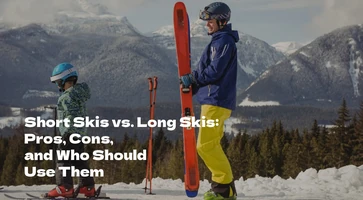
For beginners, the general recommendation is to choose skis that, when stood on end, reach somewhere between your chest and your chin. This range is intentionally shorter than what an intermediate or expert skier might use, and for very good reason. Let’s break down why this shorter length is so beneficial for you:
- Enhanced Control and Maneuverability: Shorter skis are simply easier to turn. Their reduced length means a smaller turning radius, allowing you to pivot and change direction with less effort. This is crucial when you’re learning to control your speed and navigate gentle slopes. You’ll feel more in command, which builds confidence quickly.
- Easier Stopping: The snowplow, or wedge, is the beginner’s primary stopping technique. Shorter skis make it significantly easier to bring the tips together and create that effective braking shape. This immediate feedback and ability to stop on demand is a huge confidence booster.
- Reduced Catching Edges: Longer skis can be more prone to catching an edge, especially for someone still developing their balance and edge control. Shorter skis are more forgiving in this regard, allowing for smoother transitions and fewer unexpected tumbles.
- Less Fatigue: Learning to ski is a workout! Managing longer, heavier skis requires more strength and endurance. Shorter skis are lighter and demand less physical exertion, meaning you can spend more time on the slopes learning and less time feeling exhausted.
- Faster Progression: When you’re not fighting your equipment, you can focus on technique. Shorter skis allow you to develop proper body positioning, balance, and turning mechanics more quickly, setting you up for a smoother transition to longer skis as your skills advance.
Key Factors to Consider for Your First Pair
While the chest-to-chin rule is a great starting point, a few other personal factors will help you fine-tune your choice. Remember, this is about finding *your* perfect fit, not just a generic recommendation.
1. Your Height and Weight: The Physical Blueprint
Your physical stature plays a significant role. While the general height guideline is solid, your weight can influence how a ski feels and performs. If you are:
- Lighter for your height: You might lean towards the shorter end of the recommended beginner range. Lighter skiers don’t flex skis as much, so a slightly shorter ski will still provide adequate stability and be easier to manage.
- Heavier for your height: Consider moving towards the longer end of the beginner range. A heavier skier will flex a ski more, making it feel shorter. A bit of extra length can help maintain stability and ensure the ski performs as intended.
It’s a subtle adjustment, but it can make a noticeable difference in how comfortable and confident you feel on the snow.
2. Your Athleticism and Fitness Level: A Personal Assessment
Be honest with yourself about your general athleticism and fitness. If you’re naturally athletic and pick up new sports quickly, you might be able to handle a ski on the slightly longer side of the beginner spectrum. If you’re less experienced with athletic endeavors or have any physical limitations, erring on the shorter side will provide more forgiveness and a gentler learning curve. The goal is to make your introduction to skiing as positive and encouraging as possible.
3. Preferred Terrain (Even as a Beginner!): Where Do You Dream of Skiing?
Even as a beginner, you might have an idea of the type of skiing you aspire to do. While you’ll start on gentle, groomed slopes, thinking ahead can subtly influence your choice:
- Strictly Groomed Trails: If your primary goal is to gracefully carve turns on smooth, prepared runs, a ski on the shorter end of the beginner range will be ideal. These skis are designed for quick, responsive turns and excellent edge hold on hardpack.
- A Little Bit of Everything (Eventually): If you envision yourself exploring a wider variety of terrain as you progress perhaps some gentle bumps or even venturing into light, untracked snow a ski in the middle of the beginner range might offer a bit more versatility for future growth. These are often referred to as all-mountain beginner skis.
4. Ski Type and Design: Simplified for Beginners
While advanced skiers delve into the nuances of camber, rocker, and sidecut, for beginners, the focus is simpler. Most beginner skis are designed with features that prioritize ease of use and forgiveness:
- Softer Flex: Beginner skis are typically softer, meaning they bend more easily. This makes them less demanding to turn and more forgiving of minor errors in technique.
- Composite Cores: Many beginner skis use composite (synthetic) cores, which are lighter and more flexible than wood cores, contributing to their ease of handling.
- Cap Construction: This type of construction wraps the top sheet over the edges, making the ski lighter and more forgiving. It’s less about aggressive edge hold and more about smooth, easy turns.
- Slight Rocker in Tip: Many modern beginner skis incorporate a slight rocker (early rise) in the tip. This helps the ski initiate turns more easily and reduces the chance of catching an edge, making the learning process smoother.
Don’t get too bogged down in these technical details when you’re just starting. The key is to know that ski manufacturers design specific skis with beginners in mind, incorporating these features to make your first experiences positive.
The Beginner Ski Sizing Chart: Your Quick Reference
To help you visualize these recommendations, here’s a simplified sizing chart specifically tailored for beginner skiers. Remember, these are general guidelines, and the other factors we’ve discussed should be considered for your personal fit.
| Skier Height (ft. in. / cm) | Beginner Length (cm) |
|---|---|
| 4’6″ / 137 | 125 |
| 4’8″ / 142 | 130 |
| 4’10” / 147 | 135 |
| 5’0″ / 152 | 140 |
| 5’2″ / 157 | 145 |
| 5’4″ / 163 | 150 |
| 5’6″ / 168 | 155 |
| 5’8″ / 173 | 160 |
| 5’10” / 178 | 165 |
| 6’0″ / 183 | 170 |
| 6’2″ / 188 | 175 |
| 6’4″ / 193 | 180 |
Note: If you are between sizes, consider sizing down for easier maneuverability and quicker learning. If you are heavier for your height, you might consider the upper end of your recommended range.
Where to Buy: Your First Skis
Now that you have a better understanding of ski sizing, where should you make your purchase? You have a few options, each with its own advantages:
1. Your Local Ski Shop: The Gold Standard
For your first pair of skis, I cannot recommend a local, reputable ski shop enough. This is where you’ll find experienced professionals who can offer personalized advice. They’ll measure your height and weight, ask about your athletic background, and discuss your aspirations on the snow. More importantly, they can physically show you different ski models and explain why one might be a better fit for you than another. The hands-on experience and expert guidance are invaluable for a beginner. Don’t be afraid to ask questions that’s what they’re there for!
2. Online Retailers: Convenience with Caution
Online retailers offer a vast selection and often competitive prices. If you’ve done your research, understand the sizing principles, and are confident in your choice, buying online can be a good option. However, for your very first pair, I’d still suggest visiting a local shop first to get sized and understand what feels right. You can then use that knowledge to inform your online purchase. Just be sure to check return policies carefully.
3. Rental Shops: Try Before You Buy
Many ski resorts and independent shops offer seasonal rentals or demo programs. This can be an excellent way to try out different ski lengths and models before committing to a purchase. While rental skis are often basic, they can give you a feel for what works for you. If you’re unsure, rent for a season or two, focus on improving your skills, and then invest in your own gear when you have a clearer idea of your preferences.
Common Beginner Mistakes to Avoid
As your friendly instructor, I’ve seen a few common missteps beginners make when buying skis. Let’s make sure you avoid them:
- Buying Skis That Are Too Long: This is by far the most common mistake. Beginners often think longer skis mean faster progression or that they’ll “grow into them.” In reality, longer skis will make learning harder, more frustrating, and potentially less safe. Stick to the shorter recommendations.
- Prioritizing Price Over Fit: While budget is always a consideration, don’t let it be the sole determinant. A cheap pair of ill-fitting skis will hinder your progress and enjoyment. Invest in a pair that suits your current skill level.
- Ignoring Expert Advice: Whether it’s from a ski instructor or a knowledgeable shop technician, listen to the pros. We’ve seen it all and our advice is rooted in years of experience helping people just like you.
- Overthinking It: Yes, there’s a lot to consider, but don’t let analysis paralysis set in. Use the guidelines, trust the experts, and remember that the most important thing is to get out on the snow and have fun!
Your First Turns Await!
Choosing your first pair of skis is an exciting milestone on your journey to becoming a confident skier. By understanding the importance of ski sizing for beginners, focusing on shorter, more forgiving lengths, and considering your individual physical attributes, you’re setting yourself up for success. Remember, the goal is to make learning as enjoyable and efficient as possible. The mountain is waiting, and with the right gear under your feet, you’ll be linking turns and smiling all the way down in no time.
So, go ahead, take that first step. Find those perfect beginner skis, and get ready to experience the exhilaration of skiing. I’ll see you out there on the slopes, ready to cheer you on!
Happy skiing, my friends!