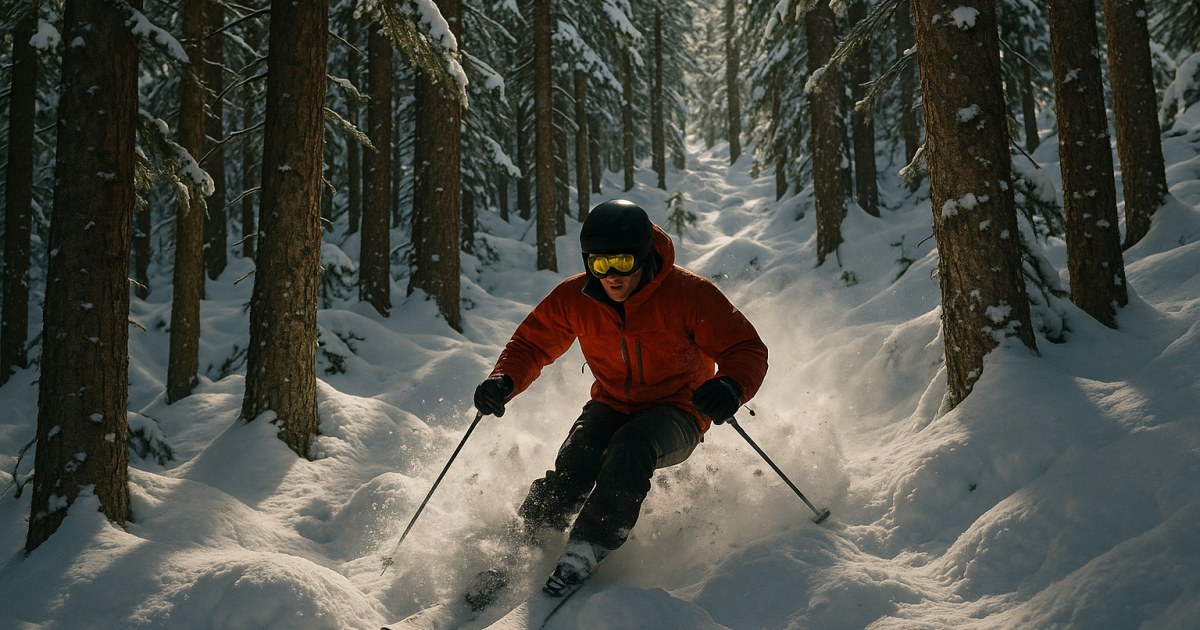
Moguls and tight trees challenge skiers, pushing us to react quickly and make crisp, precise turns. The right ski length can mean the difference between dancing with terrain or fighting it. Through years of teaching and guiding, I've seen how ski choice makes all the difference in tight quarters and bumpy runs.
Every skier is unique, and what works for one person’s build and style might trip up another. Our goal here is straightforward: to give you clear, data-driven guidelines based on skill, height, and where you ski. Let’s make choosing ski length less confusing-even when bumps and trees add pressure.
By the end, you'll have real tables, step-by-step thinking, and pro tips for finding your best match, whether you love zipper-lining moguls or wiggling between aspens. Ready to let your skis do the work?
Why Ski Length Matters for Moguls and Tight Trees
Ski length affects agility, ease of turn initiation, and overall fun in tricky terrain. When you venture into moguls and trees, you want a tool that reacts in an instant yet feels stable when things get rough. Too long, and your skis can feel unruly; too short, and you may sacrifice stability or “float.”
The right balance helps you pivot quickly, avoid obstacles, and regain control when the line gets unpredictable. This unique terrain rewards the skier who’s matched their equipment to their ambitions. For mogul lovers and tree-skiing aficionados, ski length isn’t just a number-it’s a critical tool for confidence.
Shorter skis facilitate tight, quick turns in changing terrain. In bumps, this means the ability to absorb shock and instantly redirect. In tight trees, it's about avoiding trunks, slow-moving snow, and sudden direction changes. The sweet spot is individual, but the difference in control is dramatic once you’ve found your match.
How Mogul and Tree Skiing Differs from Other Terrain
In groomed or open runs, longer skis are often favored for their speed and stability. Moguls and tight trees, however, flip that logic. Line choice is dictated by bumps, and quick edge-to-edge movement is essential. Here’s how these environments change your priorities:
- Rapid turns: You’ll make more, shorter turns per run-sometimes one every two seconds.
- Variable rhythm: The snow consistency and spacing constantly change; predictability isn’t guaranteed.
- Obstacle avoidance: Tight tree glades or clustered bumps demand quick footwork to dodge hazards.
“A shorter, more nimble ski can help intermediate and advanced skiers feel comfortable threading through trees or zipper-lining moguls without feeling overpowered.”
Additionally, mogul and tree lines punish hesitation. In open terrain, you can pick a line at your leisure; in bumps and glades, the terrain chooses for you. Mistakes get amplified, making maneuverability and confidence critical.
Contrast this with powder or big-mountain skis-long, wide boards that float and stabilize at high speed. If you used these giants in moguls or trees, their length resists turning and their width slows transitions, making the skier fight the ski instead of letting it work for them.
Key Factors to Consider When Sizing for Moguls and Trees
Let’s look at how your personal details and goals impact ski choice. Addressing these factors realistically will help zero in on what will make you a better, more confident skier in tight terrain.
1. Skier Height and Weight
The old rule is to pick a ski that comes up to your nose or chin. For mogul and tree skiing, err slightly on the short side. Heavier skiers or aggressive experts may size up a few centimeters compared to lighter or less aggressive skiers.
Example: If you are 5’8” (173cm), nose height for many people is roughly 155-160cm. A heavier or more athletic skier might bump that to 165cm for a touch more support and smoothness, but rarely beyond head height.
2. Skill Level
- Beginner to Intermediate: Go shorter for easier turns and less edge catch. This unlocks confidence, especially while learning turn rhythm in unpredictable snow.
- Advanced and Expert: Can afford a slightly longer ski for stability, but rarely more than head height. Even pros often ski surprising short sticks for maximum snap and agility.
Don’t let “expert ego” override the realities of the terrain. The best bump and tree skiers often opt for skis much shorter than their GS or all-mountain length.
3. Ski Profile and Shape
Look for skis with:
- Narrower waists: 80-95mm works best for quick edge change and keeps transitions nimble.
- Soft to medium flex: Allows easy absorption of moguls and tree roots, while a stiff ski will punish mistakes and be nearly impossible to bend through sharp turns.
- Rockered tips/tails: Add forgiveness for missed turns or odd bumps. Rocker helps keep you from “hooking” a ski as you pivot and can save you from abrupt spills.
- Lightweight construction: Not critical, but lighter skis are easier to flick and less fatiguing for all-day technical skiing.
4. Local Terrain and Snow
If your home mountain has tight, rocky trees or icy bumps, shorter is better. In wider glades or deeper snow, a few extra centimeters adds float without much penalty. Don't overlook how terrain shapes your needs-steep, tightly spaced aspen groves differ greatly from open eastern glades.
5. Intended Use and Skiing Style
- If you ski strictly fast zipper lines (tightly spaced mogul runs), a ski at the lowest end of your size range is optimal.
- If you dabble between trees, moguls, and open terrain, a middle ground-say, nose height, moderate waist, moderate agility-often works best. The more versatile your goals, the more versatile your ski should be.
- If you prioritize safety, confidence, and low speed, always bias shorter and softer.
6. Special Considerations (Age, Injury, Custom Needs)
Seniors, juniors, and those with past injuries are all best served by skis biased to the shorter, softer end. Reduced weight and easier handling are safer and less fatiguing. In fact, many knee surgeons recommend shorter, softer skis to reduce joint load.
Recommended Ski Length Chart for Moguls and Tight Trees
Here’s a data-backed chart based on skier height, skill, and focus on bumps/trees. Use weight to fine-tune. This chart varies from standard all-mountain sizing and is purpose-built for quick-turn technical terrain.
| Skier Height (cm) | Beginner/Intermediate (cm) | Advanced/Expert (cm) | Notes |
|---|---|---|---|
| 150-159 | 135-145 | 140-150 | Go shorter for control |
| 160-169 | 145-155 | 150-160 | Average adult female range |
| 170-179 | 155-165 | 160-170 | Most adult males |
| 180-189 | 160-170 | 165-175 | Very tall or aggressive |
| 190+ | 165-175 | 170-180 | Only if expert & heavy |
Tip: If your weight is above average for your height, nudge up 2-5cm for extra support. If you’re lighter or ski more defensively, stay at the shorter end of your range. When in doubt or between two sizes, most mogul and tree skiers will enjoy the more responsive (shorter) option.
Comparing Key Ski Shapes for Bumps and Glades
Not all skis are created equal! Even at the right length, ski shape impacts your experience. Here’s how vital dimensions compare, plus real-world logic:
| Feature | Bumps/Trees Recommended | Why It Works |
|---|---|---|
| Waist Width | 82-95mm | Quick edge-to-edge, less drag |
| Turn Radius | 12-17m | Tighter turns, faster reaction |
| Flex | Soft-Medium | Absorbs bumps, easier pivots |
| Tail Shape | Tapered/Rockered | Less catch, easier exits |
| Length vs. Height | Chin to nose | Best mix of control & forgiveness |
Rocker, in particular, helps when you make errors or need instant direction change: a bit of tip and tail rise means the ski disengages quickly from the snow when pressured. Subtle, low-rise rocker is best-full twin tip or park skis can be too loose for precise carving in bumps, while fully cambered skis demand more input and skill.
Contrast two real skis: an 88mm-waist, 14m radius mogul ski vs. a 105mm, 20m radius powder ski. On a tight tree run, the powder ski feels slow and drifty, while the mogul ski darts through the gaps almost intuitively. The differences are instantly obvious after one run.
Case Studies: Real-World Skiers and Their Choices
Case 1: Typical Adult Intermediate (170cm, 68kg)
Jenny, a solid blue/black skier, wants confidence in moguls and trees. Following the chart, she’s best matched with a 155-160cm ski with an 85mm waist and a 14m radius. She reports “turns felt easy, less worry about catching tails, and I could pivot smoothly in the bumps.”
Jenny tried her all-mountain (172cm/99mm) first and found herself late to turns, bumping into moguls sideways and brushing trees. Dropping to dedicated mogul skis, she was hooked on the instant agility, even if top-speed stability dipped a bit. Her advice: "Don’t be afraid of short skis in tough spots!"
Case 2: Expert Male, 185cm, 90kg
Mark skis zipper lines with power and occasionally drops into trees. He chooses a 170cm ski (short for his height) with a 92mm waist and 16m radius. This lets him stay quick in traffic, but with enough ski underfoot for big landings or variable bumps.
“It’s surprising how much control you gain from shaving off just 5cm, especially when the terrain gets unpredictable. My backs don’t get caught, and jumping from bump to bump feels safer.”
Mark's feedback matches a key trend seen even among competitive mogul skiers: shorter and more flexible skis outperform longer, stiffer models once the terrain tightens up.
Case 3: Lighter Senior Skier, 160cm, 60kg
Paul, 65 and skiing more cautiously, opts for a 145cm ski with an 82mm waist and a medium-soft flex. Shorter skis give him confidence to make turns at his own rhythm and avoid hang-ups in changing snow.
Paul used to ski 155cm but found it tiring and awkward in tighter glades. The move to 145cm meant fewer stumbles, less effort, and more open lines, especially late in the day. For many older skiers, a 10-15cm reduction from previous all-mountain size can reignite fun and expand safe terrain choices.
Case 4: Junior Skier, 143cm height, 42kg
Sophie, age 11, loves tree skiing and mogul fields. She uses a 125cm ski (well below chin) with a very soft flex. Her parents initially tried a longer ski for "growing into," but this led to edge catching and fear of falling. Going shorter and softer, Sophie now rides more confidently and has progressed faster than her peers.
Pros and Cons of Shorter Skis in Technical Terrain
- Pros: Quicker pivot, less likely to hang up on bumps or brush; much easier to manage in trees and tight spots. Reduced weight and swing make them ideal for fatigue management and fast reaction corrections.
- Cons: Slight loss of stability at high speed, less float in very deep snow, slightly less edge hold on icy steeps. If you regularly ski fast, wide-open runs, you will feel the difference at the top end, especially in chattery or tracked-out snow.
Most skiers who focus on moguls or trees happily accept this trade-off. If you split your days 50-50 between tight terrain and open cruising, consider something at the longer end of your size range for more versatility.
One overlooked advantage: When you inevitably catch a tip or tail on a stump or bump, shorter skis tend to "release" faster and are less likely to torque knees or ankles. This makes them somewhat safer in technical, obstacle-laden lines.
Fine-Tuning for Personal Preference
No chart replaces real-world testing. If possible, demo a couple of lengths and shapes on your home mountain. Here’s what to prioritize in your testing and selection process:
- Confidence turning sideways on steep slopes. If your ski feels difficult to whip around, size down.
- Comfort exiting a bump line or weaving trees fast. If you lose balance off small jumps or can’t recover from mistakes, shorter and more rockered is better.
- Personal style matters. Aggressive, athletic skiers can push a longer ski, but most enjoy the forgiveness of a slightly shorter option in dense terrain.
- Consider ski construction and mounting point. Mounting bindings slightly forward can further improve agility in trees and bumps. Some skis even suggest multiple factory mounting points for this reason.
Some specialty shops offer “try before you buy” demo days or ski rentals. If possible, ski a day on your current length, then go 10cm shorter the next run. You'll often notice the benefit within minutes, especially if tight terrain intimidates you now.
Summary Table: Ski Length Choice Checklist
| Factor | Recommendation |
|---|---|
| Priority is moguls/trees | Go chin to nose height |
| Aggressive expert | Add up to 5cm, short of forehead |
| Lighter/skittish | Err nose or slightly below |
| Primary elsewhere (powder, groomers) | Use upper end or all-mountain sizing |
| Injuries or low speed preference | Favor shorter, medium-soft flex |
This checklist helps orient your thinking, but personal testing is the gold standard.
Frequently Asked Questions
Why not use my all-mountain skis in the moguls?
Most modern all-mountain skis (wider, stiffer, longer) are built for stability and speed on varied terrain. They can feel “grabby” or sluggish in tight bumps or dense trees-especially if sized long. You can use them, but a dedicated mogul/tree ski typically boosts your confidence and fun. Many experts keep a dedicated shorter, softer set just for technical runs and use their all-mountain skis for general cruising and powder.
How much shorter is “short” for bumps and glades?
In general, choose a ski about 10-15cm shorter than your standard ski length for open hill cruising. For example, if you normally use a 175cm all-mountain ski, try 160-165cm for moguls and tight trees. The reduction increases agility and is especially noticeable when skiing steep, rutted bump lines or navigating tight forested sections. Some competitive mogul skis are 20cm less than an expert’s powder ski!
Does ski width matter as much as length?
Yes! A wide ski (over 100mm waist) is harder to roll onto edge. Narrow waists speed up transition-crucial for the quick reactions needed in technical terrain. Keep it in the 80-95mm range unless you’re skiing deep powder in the trees. If your local woods are tight and bumpy, you’ll appreciate the rapid edge-to-edge feel.
Can juniors and kids use these same rules?
Generally, yes-kids should use ski length sizing on the shorter side for learning and confidence in moguls/trees. Always account for their weight and ability; get feedback from your young skier often. For growing kids, avoid the temptation of "sizing up to last longer" in technical terrain, which will usually backfire by making skiing harder and less fun.
Should I go with a women's-specific ski for trees and moguls?
Women’s-specific skis may help with softer flex and lighter construction. More important is length and waist-many unisex mogul skis will work perfectly for lighter or shorter skiers. Go by length, width, and feel-not just gender branding.
Will shortening my skis reduce my stability?
At very high speed, yes, a shorter ski can feel "nervous" or less planted. But in moguls and trees, you’re operating at moderate speeds, and control is much more important than all-out straight-line stability. For aggressive all-mountain charging or powder, a longer ski might be better; for trees and bumps, the extra agility wins every time.
Summary: The Best Ski Length for Bumps, Trees, and Your Style
Moguls and tight trees reward agility, quick turns, and control. For most skiers, a ski that comes to chin or nose height, with a medium-soft flex and a waist width under 95mm, delivers the best mix of forgiveness and fun. Adjust length based on your weight, skill, and whether you like a mellow or aggressive ride.
- Pick a ski closer to your chin for tight, technical terrain. Don’t be afraid of going 10-15cm shorter than your comfort-zone all-mountain ski.
- Add a few centimeters if very aggressive or heavier but avoid going above your forehead. For most, head height is the absolute limit for moguls/tree-specific skiing.
- Favor moderate rocker and softer flex to absorb bumps and missed turns. The ease of recovery and reduced penalty from mistakes is crucial.
- Test before you commit. Rental and demo options let you experience the agility difference firsthand and prevent expensive mistakes.
- Let environment dictate. Open glades or occasional powder? You can add a little length or width. Tight, icy, or rocky trees and dense moguls? Stay on the shorter, narrower, and softer end.
Above all, stay flexible. Try a couple of sizes if you can. A little adjustment, based on real-world feedback, goes a long way toward confident, safe, and exhilarating lines in some of the mountain’s most rewarding terrain. Great mogul and tree skiers know-the right ski length is the quiet secret to their audacious lines, not their gear’s flashiest feature.
Related Ski Sizing Guides
Use these calculators and guides to cross-check your setup before your next ski day.