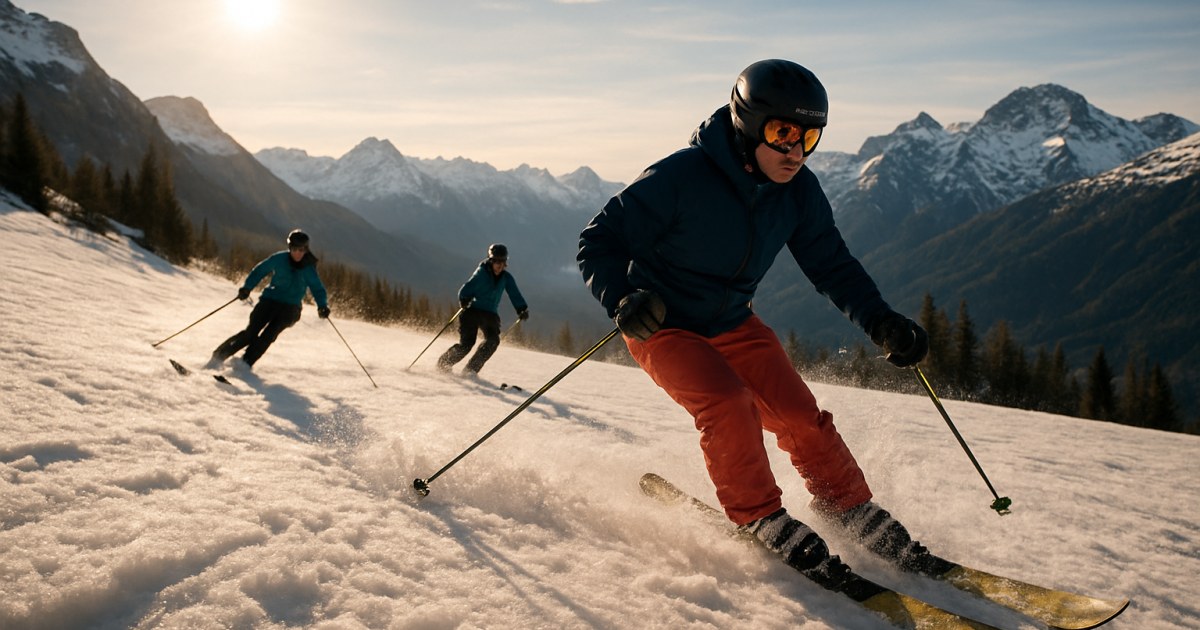
The arrival of spring turns the mountain into a different playground. Soft, slushy snow covers the runs by mid-morning. For many, this means lighter crowds, forgiving falls, and the chance to practice skills without icy patches. But unless you adapt your gear, especially your ski size, you might spend more time fighting the mush than enjoying the ride.
Whether you’re a confident all-mountain skier or just trying to finish the season with new tricks, the right ski size and shape have outsized influence on your experience in the slush. Subtle tweaks-like a little extra length or width-can radically improve your grip and glide through the heavy, slow spring snow.
This guide is here to simplify your decisions. We’ll look at why spring slush is different, how you should shift your ski sizing choices, and what practical adjustments matter most-so you can finish your season with confidence and control.
Why Spring Slush Changes the Game
Unlike crisp winter powder or hard-pack, slush offers a thicker, wetter resistance underfoot. Skiers often notice their tips sinking, turns requiring more muscle, and speed dropping quickly-especially on flatter terrain.
What’s happening? Moisture content in the snow increases as temperatures rise. This causes snow crystals to bond less strongly, creating heavy, slow-moving layers. Because of that, the technique and gear you use all season might not be optimal come April.
- Turns feel stickier, especially at lower speeds
- Too-narrow or short skis can dive and get bogged down
- Wide skis may help float, but can feel sluggish edge-to-edge
Spring skiing is all about balancing float and control. The perfect ski for spring slush lets you cut through the mush without getting stuck but won’t feel unwieldy if the snow firms up later in the day.
Core Principles for Sizing Skis in Spring Conditions
The biggest sizing adjustment for spring slush involves width and a slight rethink on length. Here’s how:
- Increase length by 3-5cm if you’re comfortable. This improves float and fore-aft stability in heavy snow.
- Wider waist (95-105mm) helps you stay on top of mushy layers, reducing tip dive.
- Soft-medium flex will smooth out jarring transitions and absorb cut-up snow, but too soft reduces edge hold if things firm up.
Your adjustments depend on both your skill and where you’re skiing. Let’s dig deeper by breaking it down by ability and terrain preferences.
Spring Ski Sizing by Skill Level
Beginners and Lower Intermediates
For newer skiers, stability and forgiveness matter most. Spring snow can be unpredictable, so prioritize ease of turning and recovery from mistakes.
| Skier Height (cm) | Suggested Spring Ski Length (cm) | Waist Width (mm) |
|---|---|---|
| 150-160 | 145-155 | 90-95 |
| 161-170 | 155-165 | 90-98 |
| 171-180 | 165-175 | 95-102 |
| 181-190 | 175-185 | 95-105 |
Notice these lengths are still within your comfort zone, just at the longer end of your regular range. Don’t max out-maneuverability still matters. A waist width just under 100mm is a sweet spot for forgiveness and ease.
Advanced and Expert Skiers
If you’re comfortable with speed and aggressive turns, you’ll benefit from both more ski underfoot and extra length. Look for all-mountain or freeride shapes that won’t bog down mid-run, but can still handle unexpected patches of firmer snow.
| Skier Weight (kg) | Recommended Length (cm) | Optimal Waist (mm) |
|---|---|---|
| 55-70 | 160-170 | 98-102 |
| 71-85 | 170-180 | 100-105 |
| 86-100 | 180-190 | 102-108 |
| 100+ | 190-200 | 105-110 |
Experts often choose skis 5-10cm longer than their midwinter boards for slush, but be honest about whether you’ll truly enjoy the extra length all day. Too much can make quick reactions harder, especially in tight trees or bumps.
"Just because it’s spring doesn’t mean wider is always better. Balance additional float with your ability to maneuver when surprise icy sections appear.”
How Terrain Influences Spring Ski Sizing
Open Bowls and Groomers
On wide, open slopes, extra length and width both help. You benefit from the float and added speed without wrestling your skis. Consider a ski at the upper end of your comfort length and 5-10mm wider than your usual choice.
Bumps, Trees, and Variable Terrain
Tighter terrain rewards maneuverability over sheer float. Stick closer to your regular length, but do increase width if you find yourself consistently bogged down. Skis with moderate rocker profiles (tip and tail rise) make a big difference in turn initiation when things are grabby.
- More sidecut = easier quick turns, less float
- Less sidecut = better straight-line stability, more float
- Tip rocker = best forgiveness in variable slush
Spring Park Skiing
Park skiers often prefer playful, symmetrical skis. For spring sessions, slightly wider park skis (up to ~100mm) help avoid slow, sticky landings. Keep your length moderate-too long and tricks get tougher to manage.
The Role of Ski Shape and Profile in Slushy Snow
Waist Width: Striking the Balance
Width determines how much surface area you have to glide over sticky layers. For most skiers, the ideal spring slush waist width is 95-105mm, wider if you’re heavy or always off-piste.
Rocker vs. Camber
Rockered tips (and sometimes tails) make skis ride higher in slush and initiate turns with less effort. Cambered skis deliver better grip on harder snow but want to dig in, which can work against you in deep, wet spring snow.
| Profile | Spring Slush Pros | Spring Slush Cons |
|---|---|---|
| Full Camber | Superior edge grip if refreeze occurs | Dive-prone, sticky feel in deep slush |
| Tip Rocker | Easier turn initiation, better float | Less edge grip on icy sections |
| Full Rocker | Exceptional slush float, playful feel | Can feel loose at high speeds |
Flex Ratings: Not Too Soft, Not Too Stiff
Stiffer skis may feel catchy or chattery when cutting through sun-cupped slush, while too soft flex means you lose stability if temperatures drop. Medium flex is the springtime sweet spot for most skiers.
Quick Reference: Sizing Table for Typical Spring Skiers
| Skill Level | Ski Length Guidance | Waist Width | Best Profile |
|---|---|---|---|
| Beginner | Chin to nose | 90-98mm | Tip rocker/camber |
| Intermediate | Nose to eye-level | 95-100mm | All-mountain rocker |
| Advanced/Expert | Eye-level to top-of-head | 98-105mm | Rocker-camber-rocker |
This table gives you a high-level summary, but always prioritize your unique comfort and skill over generic rules.
Tuning, Maintenance, and Other Spring Slush Considerations
Don’t Forget Spring Wax
Even the perfect ski won’t save you from sticky snow if you neglect a proper spring wax. Use warm-temperature waxes to minimize suction. Clean your bases often, as pollen and dirt build up quickly in spring.
Binding Positioning and DIN
Consider moving your bindings slightly back for added tip float if your skis allow. Double-check your DIN setting-sticky falls in slush can increase strain on knees, so don’t crank it up unnecessarily.
Demo If In Doubt
Many resorts offer spring demo days. Take advantage of these to try out slightly longer, wider, more rockered skis in true conditions before making a purchase.
Key Takeaways for Happy Spring Skiing
- Go 3–5cm longer and 5–10mm wider for slushy spring snow if you’re comfortable.
- Pick skis with at least some tip rocker for easier turning and less tip dive.
- Focus on medium flex for best all-conditions performance and comfort.
- For tight terrain, favor maneuverability over max float.
- Always wax for warm snow and keep bases clean for peak glide.
“If you’re unsure, err on the side of versatility. The best ski for spring is the one that still feels fun late in the day when the slush is at its heaviest.”