Hey there, fellow snow enthusiasts! As someone who’s spent the better part of three decades carving up mountains and teaching folks the ropes, I’ve seen a lot of changes in ski technology. But one question remains timeless, a fundamental query that echoes across every ski shop and rental counter: “How do I choose the right ski length for me ?” It’s a fantastic question, and one that deserves a thoughtful answer, because getting it right can truly transform your experience on the slopes from good to absolutely glorious.
Think of your skis as an extension of your body, a direct conduit to the mountain’s rhythm. The length of that extension isn’t just a random number; it’s a carefully considered choice that impacts everything from your stability and speed to your maneuverability and overall confidence. Too long, and you might feel like you’re wrestling a pair of unruly logs. Too short, and you could find yourself chattering at speed or sinking in powder. The sweet spot, my friends, is where the magic happens.
Over my 30 years as a professional skier and instructor, I’ve had the privilege of guiding countless individuals through this very decision. From wide-eyed beginners taking their first tentative slides to seasoned experts seeking that extra edge, the principles remain consistent, though the application varies. This isn’t a one-size-fits-all equation; it’s a nuanced dance between your physical attributes, your aspirations on the snow, and, crucially, your current skill level. So, let’s pull up a chair by the fire, grab a warm drink, and dive deep into the art and science of selecting the perfect ski length.
The Golden Rule: A Starting Point, Not a Destination
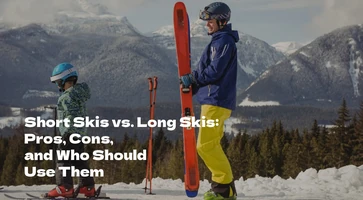
Before we get into the nitty-gritty, let’s establish a general guideline that many of you might have heard. When standing your skis on their tails next to you, the tips should generally reach somewhere between your chin and the top of your head. This is a fantastic starting point, a visual anchor to help you gauge the ballpark. However, and this is a big “however,” it’s just that – a starting point. Modern ski design, diverse terrain, and individual preferences mean we need to dig a little deeper than a simple height measurement.
For instance, a beginner might find a ski that reaches their chin to be just right, offering excellent control and ease of turning. An expert, on the other hand, might opt for a ski that’s closer to the top of their head, or even slightly above, to maximize stability at high speeds and float in deep powder. The key here is understanding why. these differences exist and how they relate to your personal skiing journey.
Skill Level: Your Mountain Maestro
Your skill level is arguably the most significant factor in determining your ideal ski length. It dictates how much control you need, how much speed you can handle, and what kind of terrain you’re comfortable tackling. Let’s break it down by experience:
The Eager Novice: Embracing the Learning Curve
If you’re just starting out, welcome to the wonderful world of skiing! Your primary goal right now is to build confidence, learn the fundamentals of turning and stopping, and generally feel comfortable on the snow. For you, shorter skis are your best friend. They are incredibly forgiving, easier to pivot, and require less effort to initiate turns. This translates to a quicker learning curve and a more enjoyable introduction to the sport.
Typically, a beginner’s ski length will fall somewhere between their chest and chin. This shorter length allows for:
- Enhanced Control: Easier to maneuver and stop, which is crucial when you’re still getting a feel for things.
- Effortless Turning: Shorter skis have a smaller turning radius, making those first snowplow and parallel turns feel much more natural.
- Reduced Fatigue: Less ski to manage means less physical exertion, allowing you to ski longer and enjoy the experience more.
Don’t be tempted to go for longer skis, thinking you’ll “grow into them.” That’s a common pitfall that can lead to frustration and hinder your progress. Embrace the shorter length; it’s designed to help you succeed.
The Confident Intermediate: Exploring New Horizons
Ah, the intermediate phase! You’ve mastered the basics, you’re linking turns with confidence, and you’re starting to explore different parts of the mountain. Maybe you’re venturing onto steeper blue runs, trying out some gentle moguls, or even dabbling in a bit of off-piste. As an intermediate skier, you’re looking for a balance of control and performance, and your ski length will reflect that. Intermediate skiers generally find their sweet spot with skis that reach between their chin and nose. This mid-range length offers:
- Improved Stability: A bit more length provides better stability as you pick up speed and tackle varied terrain.
- Versatile Performance: These skis are long enough to handle moderate speeds and some choppy snow, yet still short enough to be maneuverable in tighter spots.
- Progression Potential: They offer a platform for refining your technique, experimenting with different turn shapes, and pushing your boundaries without feeling overwhelmed.
This is a great stage to start considering the type of terrain you enjoy most. If you’re leaning towards more groomed cruising, you might stay on the shorter end of the intermediate spectrum. If you’re starting to eye those powder stashes, a slightly longer ski might be beneficial.
The Advanced to Expert: Dominating the Mountain
Congratulations, you’re a mountain master! You ski with power, precision, and grace, tackling black diamonds, navigating bumps, and perhaps even dropping into the backcountry. As an advanced or expert skier, your skis are an extension of your aggressive style, designed to provide maximum stability, speed, and floatation in challenging conditions. Expert skiers typically choose skis that reach from their nose to above their head. This longer length is preferred for several reasons:
- Unrivaled Stability at Speed: Longer skis have a greater effective edge, providing superior grip and stability when you’re flying down the mountain.
- Superior Float in Powder: More surface area means better flotation in deep snow, allowing you to glide effortlessly through fresh powder.
- Powerful Carving: The increased length and stiffness often found in expert skis allow for powerful, precise carving turns.
- Handling Variable Terrain: Longer skis can blast through crud and chop with greater ease, maintaining composure in challenging snow conditions.
At this level, personal preference and specific skiing style play an even more critical role. A park skier might still prefer a slightly shorter, more playful ski, while a big-mountain freerider will undoubtedly gravitate towards the longest options available.
Beyond Skill: Other Influential Factors
While skill level is paramount, it’s not the only piece of the puzzle. Several other factors come into play when fine-tuning your ski length selection. Let’s explore them:
Your Physical Blueprint: Height and Weight
It goes without saying that your height and weight are fundamental considerations. Taller and heavier skiers generally require longer skis to provide adequate support and leverage, while shorter and lighter skiers will find shorter skis more manageable. Think of it this way: a heavier skier will flex a ski more, making it feel shorter than it actually is. Adding a bit of length compensates for this, ensuring the ski performs as intended.
Terrain and Skiing Style: Where and How You Ride
Where you plan to ski and how you like to ski are huge determinants. The mountain offers a smorgasbord of experiences, and your skis should match your appetite:
- Groomed Trails (Carving): If you love laying down perfect arcs on freshly groomed corduroy, you might lean towards skis on the shorter end of your recommended range. Shorter skis with a deep sidecut excel at quick, responsive carving turns.
- All-Mountain Versatility: For those who enjoy a mix of groomed runs, bumps, and light powder, an all-mountain ski in the middle of your recommended length range is often ideal. These skis are designed to be adaptable to various conditions.
- Powder and Freeride: If your heart sings when the snow falls deep, you’ll want longer skis, especially those with significant rocker. The added length and rocker profile provide maximum floatation and a surfy feel in deep powder.
- Freestyle (Park & Pipe): Park skiers often prefer shorter, twin-tipped skis that are easier to spin, butter, and maneuver in the air. The focus here is on playfulness and agility rather than top-end speed.
- Backcountry/Touring: While length is still a factor, weight becomes critical here. Backcountry skis are often chosen for their lighter construction to make uphill travel easier, but still need enough length for stability on the descent.
Ski Design: Camber, Rocker, and Sidecut
Modern ski design has revolutionized how skis perform, and understanding a few key terms can help you make an informed decision about length:
- Camber: This is the traditional arch underfoot. Skis with more camber offer excellent edge grip and pop on hard snow. They often feel best in slightly shorter lengths for carving.
- Rocker (Tip and/or Tail): Also known as reverse camber, rocker means the tips and/or tails of the ski rise earlier off the snow. This makes skis easier to pivot, float better in powder, and prevents edge catching. Skis with significant rocker often benefit from being skied a bit longer to maintain stability, as their effective edge is shorter.
- Sidecut: This refers to the hourglass shape of the ski. A deeper sidecut (more hourglass shape) results in a smaller turning radius, making the ski turn more easily. Shorter skis naturally have a tighter turning radius, complementing a deep sidecut for quick turns.
Personal Preference: Trust Your Gut (and Your Instructor!)
Ultimately, skiing is a deeply personal experience. After considering all the technical aspects, your personal preference plays a huge role. Do you like a ski that feels nimble and quick, or one that’s stable and powerful? Do you prefer short, snappy turns or long, sweeping arcs? These preferences can subtly shift your ideal length within the recommended range.
If you’ve had a great experience on a particular length in the past, that’s valuable information. If you’re unsure, don’t hesitate to demo different lengths or consult with a seasoned ski instructor (like yours truly!) or a knowledgeable ski shop technician. We’re here to help you find that perfect match.
The Ski Sizing Chart: A Handy Reference
To give you a clearer picture, here’s a general ski sizing chart that combines height and skill level. Remember, these are guidelines, and the other factors we discussed should be layered on top of this foundation.
| Skier Height (ft. in. / cm) | Beginner Length (cm) | Intermediate Length (cm) | Expert Length (cm) |
|---|---|---|---|
| 4’6″ / 137 | 125 | 135 | 140 |
| 4’8″ / 142 | 130 | 140 | 145 |
| 4’10” / 147 | 135 | 145 | 150 |
| 5’0″ / 152 | 140 | 150 | 155 |
| 5’2″ / 157 | 145 | 155 | 165 |
| 5’4″ / 163 | 150 | 160 | 170 |
| 5’6″ / 168 | 155 | 165 | 175 |
| 5’8″ / 173 | 160 | 170 | 180 |
| 5’10” / 178 | 165 | 175 | 185 |
| 6’0″ / 183 | 170 | 180 | 190 |
| 6’2″ / 188 | 175 | 185 | 195 |
| 6’4″ / 193 | 180 | 190 | 200 |
Note: This chart provides general recommendations. Always consider your weight, preferred terrain, skiing style, and ski design when making your final decision. If you are between sizes, consider sizing down for more maneuverability or sizing up for more stability.
The Journey, Not Just the Destination
Choosing the right ski length is an exciting part of your skiing journey. It’s about understanding yourself as a skier, your goals, and the kind of experience you want to have on the mountain. Don’t rush the process. Take the time to consider all the factors we’ve discussed, and don’t be afraid to experiment. Many resorts and ski shops offer demo programs, which are an invaluable way to try out different ski lengths and models before committing.
Remember, the goal isn’t just to pick a number; it’s to find the skis that make you feel confident, joyful, and utterly at home on the snow. Whether you’re gracefully linking turns on a pristine groomer, effortlessly floating through a field of fresh powder, or launching off a kicker in the park, the right ski length will amplify your experience. So, go forth, embrace the mountain, and may your turns be epic!
Happy skiing, my friends!