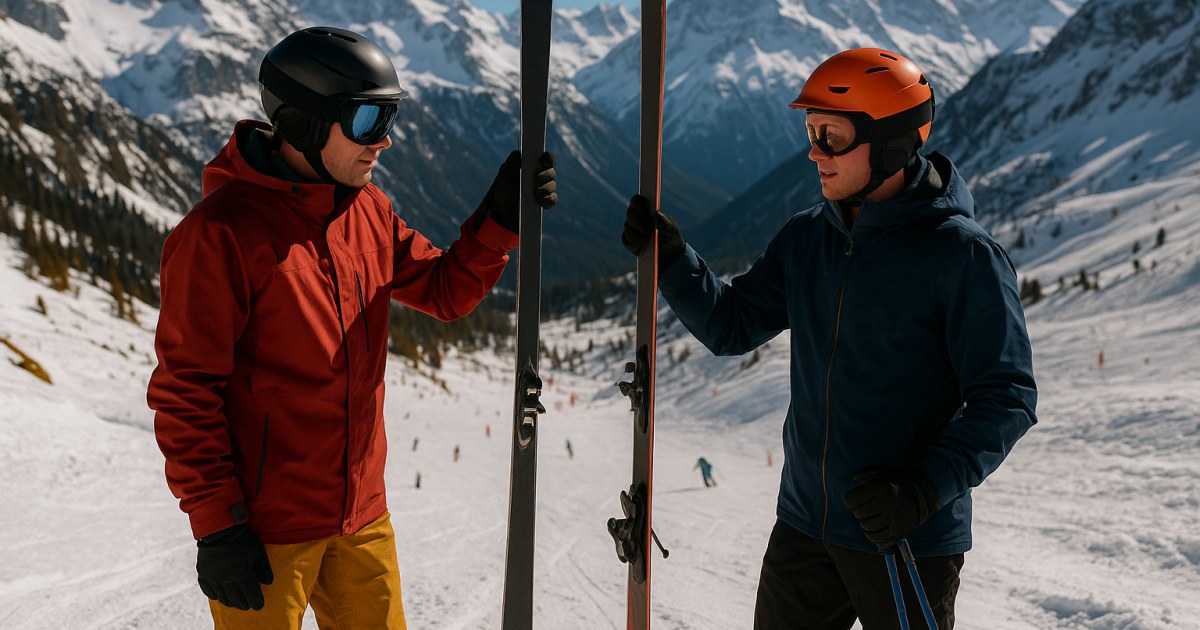
If you’ve skied both the tight tree runs of Vermont and the powder bowls of Colorado, you know the terrain can feel like two different sports. The ski you love out West might seem unwieldy back East, or vice versa. Matching your skis to the snow and features you actually ride most is one of the best ways to get more out of every day on the hill.
Over the years, I’ve helped hundreds of skiers adjust their setup as they move or travel between coasts. Choosing the ideal ski length and shape isn’t just about your height or skill. Where you ski-the region’s terrain and typical snow-makes a surprisingly big difference in what will serve you best underfoot.
Let’s break down exactly how ski sizing strategies diverge between East Coast and West Coast, the trade-offs to consider, and how to dial in the right skis for your style and local conditions.
Understanding Regional Terrain and Snow
The East and West Coasts offer distinctly different skiing experiences. Before dialing in your ski size, it helps to grasp how regional features shape your equipment needs. The landscape and typical weather patterns shape every aspect of your ski day-from line choice to edge control to the very type and length of ski underfoot.
East Coast Characteristics
- Tighter runs: Many trails feature narrow widths and dense tree lines, encouraging agile skiing.
- Harder, icier snow: Frequent freeze-thaw cycles and humid air produce firmer snow and ice, demanding more edge grip.
- Shorter vertical drops: Runs are typically shorter and less steep than major western resorts.
- More crowded slopes: Heavily trafficked areas increase the frequency of bumps and unexpected ice patches.
- Sudden terrain transitions: You can move rapidly from icy corduroy to soft moguls or even slushy spring snow within a hundred feet.
Real-World Example: Stowe, Vermont
Skiers at Stowe commonly face packed powder mixed with sections of glare ice, especially in the mornings. The classic approach is to stay nimble in the trees and quick-footed on winding, narrow runs, using skis that snap from edge to edge quickly and provide precision grip.
West Coast Characteristics
- Wider, open terrain: Expansive bowls and open glades enable higher speeds and longer, arcing turns.
- Softer, deeper snow: Storm cycles often bring heavy powder, attracting skiers eager for off-piste adventure.
- Longer descents: Many runs feature sustained, steep pitches and significant vertical drops.
- Diverse snowpack: Powder, wind buff, sun crust, and corn snow can all appear in a day-sometimes on a single run.
- Varied terrain: Think bowls, chutes, moderate-to-steep pitches, and ample off-trail opportunity.
Real-World Example: Snowbird, Utah
Skiers here reward themselves after storms with powder floats in Mineral Basin, but must also be able to handle the wind-hammered ridges and chopped-up snow that develops by afternoon. The right ski has enough surface area and the correct profile to maintain float and stability, even when things get bumpy or deep.
If you’re used to nimble, edge-to-edge control on the East Coast, don’t be surprised when a wider, longer ski feels sluggish there-even though it’s perfect for floating in West Coast powder.
Sizing Principles: Length, Width, and Profile
While most classic sizing charts use height and weight, effective sizing tailors your ski’s shape to your home hill’s snow and terrain. For the best experience, tweak three major parameters: length, waist width, and profile.
Length
Longer skis provide more stability at speed, but take more effort to turn. Shorter skis are quicker edge-to-edge and easier to maneuver-key for tighter, icier trails. West Coast skiers generally opt for longer skis, often at or above forehead-height, while East Coast skiers may prefer chin-to-nose height for fast pivoting and control.
Waist Width
Measured in millimeters at the narrowest point (underfoot), waist width affects float and quickness. Narrower waists (70-85 mm) grip and transition briskly, while wider waists (95 mm and up) shine in soft or deep snow. Skis on each coast differ starkly in this respect: a 78 mm East Coast ski can feel like a knife on hardpack; a 110 mm West Coast ski surfs powder with ease but can feel awkward carving icy New England groomers.
Profile: Camber and Rocker
A ski’s profile-its curvature-shapes how it handles. Traditional camber (an arch underfoot) increases edge hold, crucial for hardpack. Rockered tips and tails ease turn initiation and float in powder. Nowadays, most skis feature some blend: camber underfoot for grip, subtle tip/tail rocker for easier turn entry and better handling in mixed snow.
| Parameter | East Coast Sizing | West Coast Sizing |
|---|---|---|
| Length | Generally shorter (chin to nose height) | Generally longer (nose to forehead or above) |
| Waist Width | 70-90 mm | 90-115 mm |
| Profile | Mainly traditional camber for edge hold | More rocker for floatation |
Matching Ski Size to East Coast Conditions
On the East Coast, success often comes down to control and confidence on patchy, variable snow. Choose a ski that helps you maneuver quickly and hold an edge, especially as trails can transition from packed powder to ice and back again in a single run.
- Terrain: Narrow, winding runs, glades, and moguls
- Common snow: Firm, icy, and sometimes windblown or bumpy
- Typical days: Short, high-frequency runs with lots of transitions
Recommended Ski Length
For most all-mountain East Coast skiers, picking a ski length near the chin-to-nose range is a safe bet. Shorter skis spin and pivot easily, which is useful in trees, bumps, and on narrower trails. Aggressive racers or carvers might opt for slightly longer skis, but most recreational skiers benefit from the extra agility of something a little shorter than they’d use in Western terrain.
- Chin-to-nose height: Easiest for quick turns, side-slipping, and short-radius carving.
- Short twin tips: Useful for terrain parks and spins, common in the Northeast park scene.
Recommended Ski Width
Stick to a narrower waist (around 75-88 mm) for responsiveness and edge grip. Too wide, and you’ll struggle to lay the ski over in hardpack conditions, leading to skidding rather than carving and a less reliable ride when encountering ice patches.
- 75-80 mm: Best for classic carving, racing, or mostly groomed terrain. Slalom skis, for example, often fall in this range.
- 80-88 mm: Ideal for all-mountain versatility with the option to explore soft snow after a storm or spend some time off on ungroomed edges.
Profile Tips
- Prioritize traditional camber underfoot. This boosts your edge hold when it’s icy and gives a feeling of pop from turn to turn.
- A small amount of tip rocker can help initiate turns without sacrificing grip. Full rocker is rare and seldom works well for the typical East Coast day.
On an icy day at Killington, a nimble ski with strong camber is your best friend. You’ll appreciate every millimeter of edge in tricky conditions.
Case Study: Night Skiing at Wachusett
During a typical Northeast evening, temperatures plummet and the snow hardens rapidly. Skiers who opt for a narrow, cambered ski-something like a Blizzard Quattro with an 80 mm waist-report being able to set edges confidently, even in scraped-off sections. Wider or softer skis frequently wash out or chatter, impairing both speed and enjoyment.
Dialing In Ski Size for West Coast Skiing
Out West, you’ll often want enough ski to stay on top of deeper snow and maintain stability at higher speeds. The best ski size delivers control in chutes and glades, but also lets you relax and surf on powder days.
- Terrain: Open bowls, long steeps, glades, and substantial in-bounds powder
- Common snow: Variable, often soft, deep, or windpacked
- Typical days: Long, fast runs with the option to explore off-trail easily
Recommended Ski Length
Head toward the nose-to-forehead or even longer end of sizing guidelines. Greater length increases surface area for flotation and control in big terrain. It’s not uncommon for advanced powder skiers at places like Alta or Jackson Hole to ride skis as tall or taller than themselves for maximum float and stability during straight-line descents or king-sized turns.
- For powder specialists, consider adding a few extra centimeters for deep days, especially on days with more than a foot of new snow.
- If you ski mostly groomers or hardpack, you may not need to size up as aggressively.
- Some all-mountain skiers will carry a longer, fatter pair for storm cycles and a more moderate pair for everyday mixed conditions-a common Western "quiver" strategy.
Recommended Ski Width
Wider skis (90-115 mm waist) are your friends in West Coast snow. A quick survey of rental fleets at Tahoe or Whistler will reveal a preponderance of wide all-mountain and big mountain models designed for deep, variable snowpacks. Consider:
- 90-100 mm: Great for all-mountain versatility if you split time between groomers, packed powder, chop, and powder. This range is a popular choice for Western recreational skiers.
- 105-115 mm: Maximizes float for dedicated powder skiing or off-piste adventures. Freeride and big-mountain skis commonly reach up to 118 mm.
Profile Suggestions
- Look for moderate to full rocker in the tip and tail for easy floatation and smooth turn transitions in deep snow. Early-rise tips help keep you surfing on top, while tail rocker aids maneuverability in tight trees or exiting chutes.
- Some camber underfoot gives the necessary grip when you encounter firmer sections or variable snow that turns aggressive without warning.
- Directional shapes-skis with a stiffer tail and more pronounced tip-are also gaining popularity for added stability at speed.
| Condition | Recommended Waist Width | Ideal Length (Relative to Skier) |
|---|---|---|
| East Coast, hardpack/groomed | 75-85 mm | Chin to nose |
| East Coast, variable/mixed | 80-90 mm | Chin to nose |
| West Coast, all-mountain | 90-100 mm | Nose to forehead |
| West Coast, deep powder | 105-115 mm | Forehead plus 5 cm or more |
Case Study: Storm Days at Squaw Valley (Palisades Tahoe)
During multi-foot storm cycles, the resort regularly fills with skiers on 110-115 mm skis-sometimes even wider. These boards provide effortless float, and their longer lengths prevent tip dive and instability even as speed picks up. Conversely, tourists arriving with 80 mm carvers may find themselves submarining or struggling in the deep, heavy "Sierra cement." Local rental shops report that first-timers enjoying a powder day on dedicated powder skis quickly understand the benefits of regional-appropriate sizing.
Skill Level and Personal Preferences
While regional guidelines are a great start, your comfort and technique are always key. Aggressive, expert skiers may enjoy longer and stiffer skis even in the East, while newer skiers often appreciate the confidence of shorter, softer models everywhere. Local traditions and skiing style also play a part: New Englanders are known for quick, technical turns; Rockies and Sierra skiers often open up their turns and value straight-line stability.
For Beginners and Intermediates
- Stick closer to the shorter end of the size range for improved control and easier turning, regardless of region. Overly long or wide skis can sap confidence and make progression harder.
- Look for skis with moderate flex and some rocker for forgiveness and versatility. Many ski shops recommend "system skis" with integrated bindings for this group.
For Advanced and Expert Skiers
- Consider sizing up for speed, stability, and off-piste performance, especially on the West Coast or if you spend a lot of time hunting for powder.
- Advanced carvers who savor icy days back East may still choose longer, stiffer, or even specialized frontside skis with pronounced sidecut for maximum energy and edge hold.
- Experimentation pays off: Many advanced skiers will demo a range of skis before committing, sometimes finding surprising joy in skis outside their "normal" parameters for the region.
Other Factors: Travel, Kids, and Ski Quivers
If you travel regularly between the coasts or want more than one set of skis, there are additional considerations. Let’s explore the pros and cons of different strategies:
Owning One Versatile Ski
- Pick a mid-waist ski (85-95 mm) with moderate rocker and camber for all-mountain flexibility. These skis handle most conditions decently, even if they don’t excel at extremes-think Blizzard Brahma, Nordica Enforcer 94, or Volkl M6 Mantra.
- Safety in the middle: Not perfect for deep powder or hardpack, but reliable everywhere. For a traveling skier or one who splits time between coasts, versatility outweighs specialization.
- Tested tip: Get your tune dialed. Slight detuning of tips/tails and sharp side edges let you adapt to both hard and soft days more comfortably.
Building a Two-Ski Quiver
- Choose a narrow, cambered ski (75-85 mm, camber-heavy) for hard snow, ice, and technical carving, plus a longer, wider rockered ski (100-115 mm, with significant tip/tail rocker) for powder days or travel out West.
- Higher cost, but optimized performance when switching regions or conditions. This approach is common for dedicated ski travelers and those with strong preferences for both carving and freeride.
- Pro tip: Mark bindings and set up quick adjustment or swap options if you want to move a single binding between pairs, saving travel bulk.
Considerations for Kids and Growing Skiers
Younger skiers benefit most from a ski that’s easy to maneuver. Default to slightly shorter and softer skis for kids, adjusting as they gain weight and skill. If possible, size up only if they’re growing fast and already confident turning. Focus on enjoyment and control, not speed or trend.
- For kids skiing powder, a slight increase in length and a touch of rocker can help prevent tip dives, but stability must always be balanced with manageability.
- Rental programs and junior trade-ins are invaluable as kids quickly outgrow boots or skis between seasons and regions.
Travel and Renting Gear
If you only occasionally travel between coasts, renting a region-specific ski can be the perfect solution. Rental shops at major destinations carry deep fleets, letting you match the day’s conditions (East Coast demo: Dynastar Speed Zone 4x4; West Coast storm day: Rossignol Soul 7 HD). This minimizes luggage and ensures optimal equipment for your ski trip's demands.
Common Mistakes and Pro Tips
- Choosing by height alone: Don’t ignore your local hill’s terrain and snowpack. Use skill, weight, and preferences.
- Buying too wide for the East: A 105 mm waist is fun out West, but can be frustrating on hardpack back home. Many New Englanders make this mistake after a trip out West, only to regret it next January.
- Overly short skis for powder: Short skis sink and feel unstable in West Coast powder. Size up for float, especially if you often seek out deep days.
- Ignoring profile: The wrong combination of camber/rocker based on your snow can make a ski sluggish or unsteady. Always check what type of snow and terrain the ski was designed for.
- Demo days: Whenever possible, demo skis in the conditions you’ll ski most to confirm your choice. Ski manufacturers often hold ski test events on both coasts-take advantage of these to fine-tune your preferences.
Summary Table: East vs West Regional Sizing
| Aspect | East Coast | West Coast |
|---|---|---|
| Best for | Groomed, hardpack, trees | Powder, bowls, steeps |
| Length (typical) | Chin to nose | Nose to forehead (or longer) |
| Waist width | 75-90 mm | 90-115 mm |
| Profile | Mainly camber, mild rocker | Liberal rocker, some camber |
| Edge hold | Critical | Important, but less crucial |
| Stability at speed | Secondary | Primary |
Frequently Asked Questions
- Can I use my West Coast powder skis in Vermont?
If the snow is deep and soft, you’ll have fun, but on typical East Coast hardpack, those fat boards will feel cumbersome and slow to transition edge-to-edge. If you only own one pair and mainly ski the East, consider something narrower and shorter. - Is a 100 mm ski wide for the East Coast?
Yes, it’s on the upper end. It can be versatile for occasional powder but will not be as nimble on ice and hard groomers as something in the 80 mm range. - How about ski flex?
Softer flex helps in bumps and trees (common in the East), whereas firmer flex excels at stability in high-speed, open environments (often found in the West). However, most modern all-mountain skis balance flex for a wide range of uses. - What about ski mounting point?
For the East, a more traditional mount (further back) gives better carving, while a more centered mount (as often seen on park skis) is playful but may lack edge hold. For wide powder skis out West, mounting more forward can help with float in deep snow.
Final Thoughts: Make Your Ski Match Your Mountains
There’s no one-size-fits-all approach when it comes to ski sizing across different regions. Let your home mountain, typical snow, and favorite terrain guide your choices on length, width, and profile. Armed with the right information, you’ll find more enjoyment whether you’re arcing perfect turns down an icy run in the Catskills or floating through a Lake Tahoe storm.
Ultimately, the best ski is the one that feels intuitive and fun. Use these regional guidelines as a starting point and don’t hesitate to experiment within a range. Ski shops and demo events are terrific resources for hands-on experience before you commit.
Related Ski Sizing Guides
Use these calculators and guides to cross-check your setup before your next ski day.